
Who runs Platform6
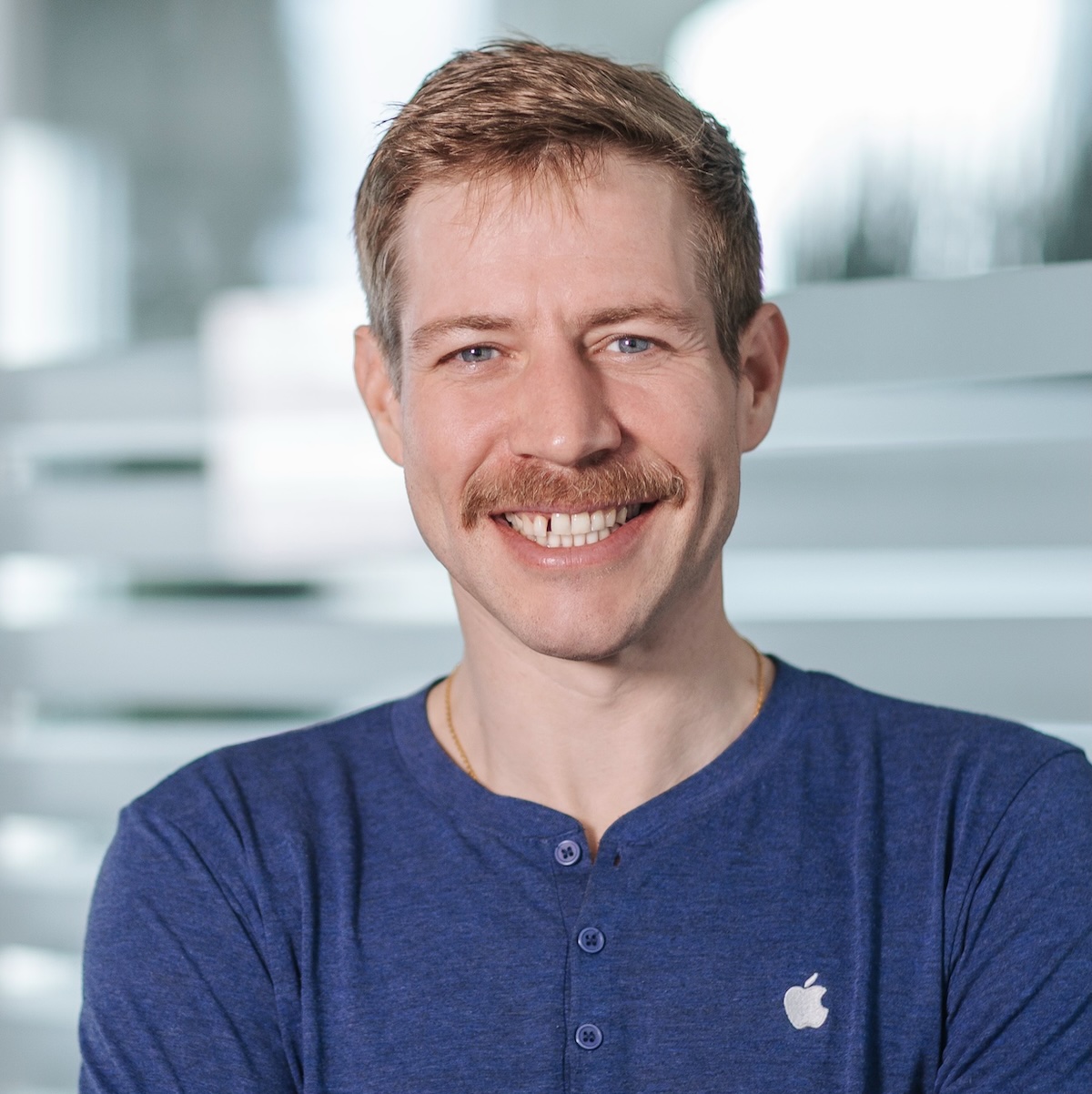
Platform6 is led by an independent Apple Platform Architect. The focus is not “Apple as a device”, but Apple as a platform: linking identity, lifecycle, baselines, and operations so accountability and control align in day-to-day reality.
- Experience
- 20+ years Apple in operations
- Environments
- Enterprise + regulated environments
- Method
- Target states over ticket lists
- Based in
- Riga — on site in DE, LV, LT, EE
- Focus
- Platform governance via identity, lifecycle and baselines — so ops and security share the same reality.
01 Structure and record
One architect instead of a consulting team
Platform6 is deliberately small. That has two consequences worth knowing.
You talk to the person who also designs and implements. There is no handover from the pitch to a junior team and no ramp-up at your expense.
Capacity is limited. Two to three parallel engagements is the maximum, and multi-year large-scale rollouts run with partners or not at all. If you are looking for a framework contractor with a hundred consultants, Platform6 is not the answer.
What holds either way: the architecture ends up yours. Configuration, documentation, architecture decision records and runbooks stay in house, and your team keeps operating the platform on its own.
Platform6 is based in Riga. For NATO RESTRICTED projects, on-site meetings are not an option but a requirement: architecture sessions, acceptance and handover happen at the customer's site. From Riga, Vilnius and Tallinn are day trips; Berlin and the German federal locations are a direct flight. Consulting for German and Baltic customers, in German and English.
Talks and publications
- Jamf Nation eve, Berlin, June 2026: keynote on iNDIGO
- DAIMEX Baltic, Vilnius, May 2026
- Jamf Nation Live 2026
- BSI MDM-TS certification map, kept current
- Whitepaper: Architecture-First Apple Platforms
02 What Platform6 does
Why this matters
In many organizations Apple exists “on the side”: devices work, but the platform is not governed. This breaks down once ownership, updates, security statements or audits matter. Platform6 therefore aligns architecture first, so the state stays explainable over time — for ops, security and leadership.
Apple without platform governance
Apple is deployed, but identity, device state and operations are not coherently linked. This creates “works somehow” paths: local exceptions, unclear update windows, support knowledge in people’s heads, and security maintaining lists rather than showing effectiveness.
Govern platform states
Platform6 links identity (e.g. Platform SSO), device lifecycle (enrollment to decommissioning) and security baselines into a state that translates into operations: rules, ownership, deviations, and a clear path from “is” to “should”.
A sustainable platform state
Operations, security and accountability align. The state is documented, explainable internally, and remains stable — even as teams change, requirements shift, or workloads expand.
- Identity
- Access follows identity + device state
- Lifecycle
- Predictable updates, clean handovers
- Baselines
- Effectiveness + documented deviation
Positioning and principles
Architecture before activity
Only when identity, lifecycle and baselines align does operations become predictable. Without that link, exceptions accumulate and later reappear as “security issues”.
Accountability before tooling
In regulated contexts, “more features” matters less than accountability: who can steer, who owns risk, who can explain the state.
Clarity over complexity
Platform states must remain explainable: to IT leadership, security, audit and operations. Documentation is not an afterthought — it’s part of effectiveness.
Experience grounded in operations
- Device state is explainable at any time (enrollment → ops → decommissioning).
- Deviations are intentional, justified and documented.
- Support becomes rule-based rather than person-dependent.
- Security can show effectiveness instead of maintaining lists.
Apple is not a “variant of Windows”. The leverage is not manual control but well-governed states: declarative configuration, ABM-driven lifecycle, and identity as the control plane.
03 Fit
Who this fits
If you're a CISO, CTO or Enterprise Architect in a regulated organization with 500+ Apple devices and these statements sound familiar:
- "Our admins still bind Macs manually to AD"
- "Every audit becomes rework because Apple 'somehow works'"
- "Security asks for compliance statements we can't deliver"
Typical stakeholders are CIOs, CISOs, IT leadership and enterprise architects in finance, healthcare, public sector or other regulated environments — because this is about platform governance, not individual features.
Common starting points:
- Apple is deployed — but governance is fragmented
- Security must prove effectiveness, ops must sustain it
- Time pressure and liability are real, not theoretical
Then Platform6 is built for you. Not because you need more tools, but because the architecture that aligns accountability, operations and security is missing.